
The Art of Picture Framing
The picture frame has a longer history than most people realise. Long before it became a fixture of the domestic interior, framing was an architectural language, a way of conferring significance to a defined space. From the cartouches of ancient Egypt, to the painted borders of Roman fresco, to the carved and gilded altarpieces of medieval Europe: all of them speak to the same fundamental human instinct, to mark what matters and present it with intention.
That tradition is what we work within at Mangoe Arts & Framing. Not as an academic exercise, but as a living craft - one that informs every design decision we make, and every frame we put our name to. We draw on that tradition when helping clients find something historically coherent with the work it will surround. Recognising the appropriate context for a Sansovino frame compared to an Auricular frame may present more of a challenge than deciding whether to pick a gilt gold frame versus a contemporary white frame. Our role is to understand that, and to deliver it with the highest level of craft available.
Over more than a decade, we have built relationships with independent frame makers, artisans, and conservators around the world, sourcing hand-finished mouldings that exist outside the commercial mainstream. Many of our samples are finished in house, and a number of our most distinctive designs are available exclusively through Mangoe Arts. That network, built on shared values of craft and conservation, is what allows us to offer something genuinely different.
Conservation framing is a science, and we treat it as one. We use exclusively pH-neutral, acid-free materials throughout - from backing boards and matting to adhesives and tapes, and all of our glazing options carry the maximum 99% UV protection designation. We are equally attentive to the less visible factors that determine how well artwork survives over time: humidity control, the off-gassing properties of framing materials, and the long-term behaviour of different mounting methods on different media. Where a project demands specialist knowledge beyond our own, we consult outside conservators rather than proceed on assumption. The goal is always the same; that the work looks as it should, for as long as possible.
What distinguishes our approach is intention. We do not believe in default solutions. Every project begins with a genuine conversation about the artwork, the space it will inhabit, and the impression it should leave.
Our custom framing services cover the full range: fine art and photography, diplomas and certificates, jerseys and shadowboxes, needlework and textiles, mirrors, canvas stretching, and oversized or dimensional pieces. If you are unsure whether we can help with something, the answer is usually yes.
Shown below are a small selection of our past framing projects, each one a collaborative vision.
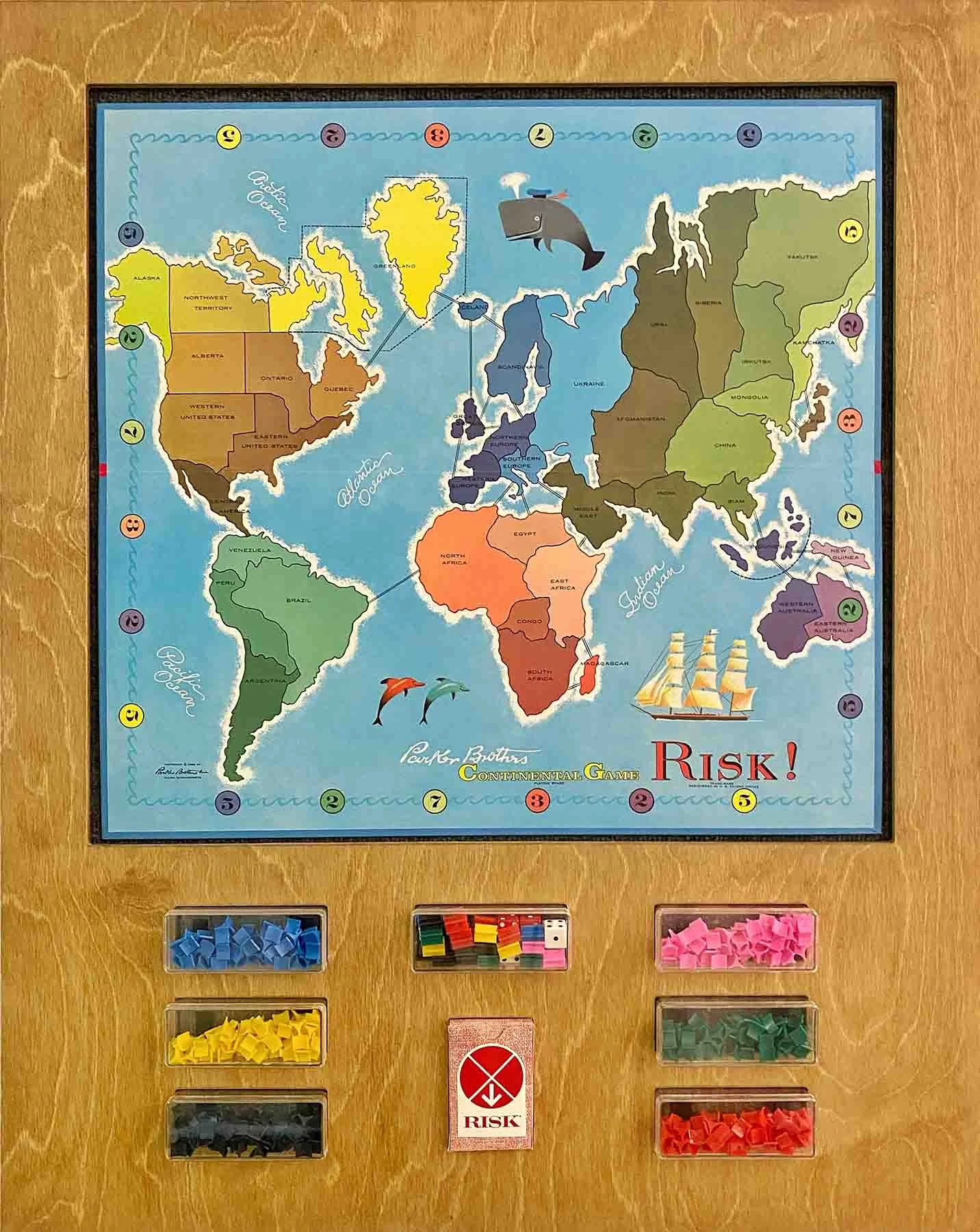
Custom shadowbox framing Nashville — vintage Risk board game wall mounted display with velcro-accessible fabric backing, Mangoe Arts & Framing
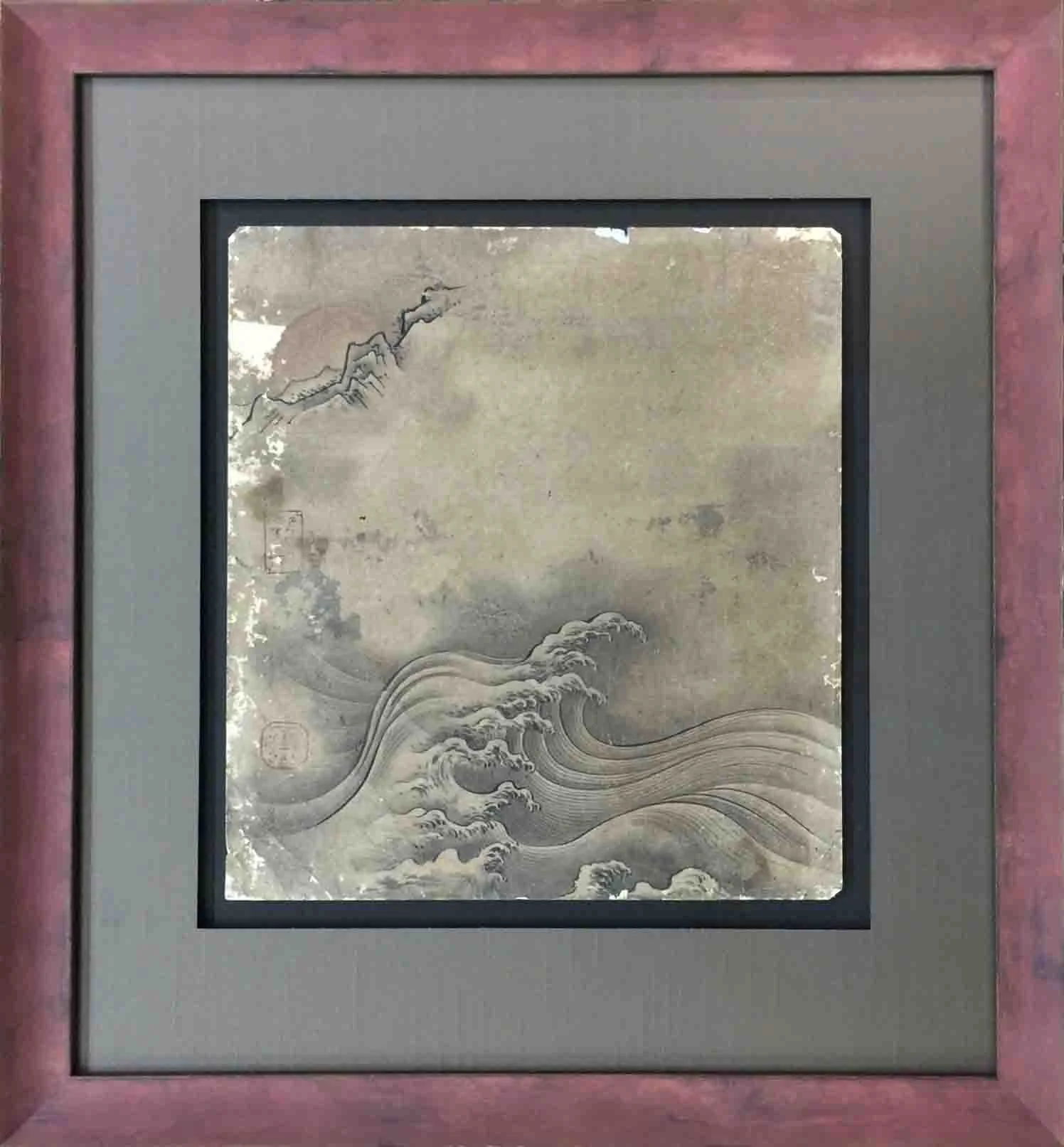
Antique woodblock print floated on double silk matting in hand finished red patina over gold leaf frame — conservation picture framing, Mangoe Arts Nashville
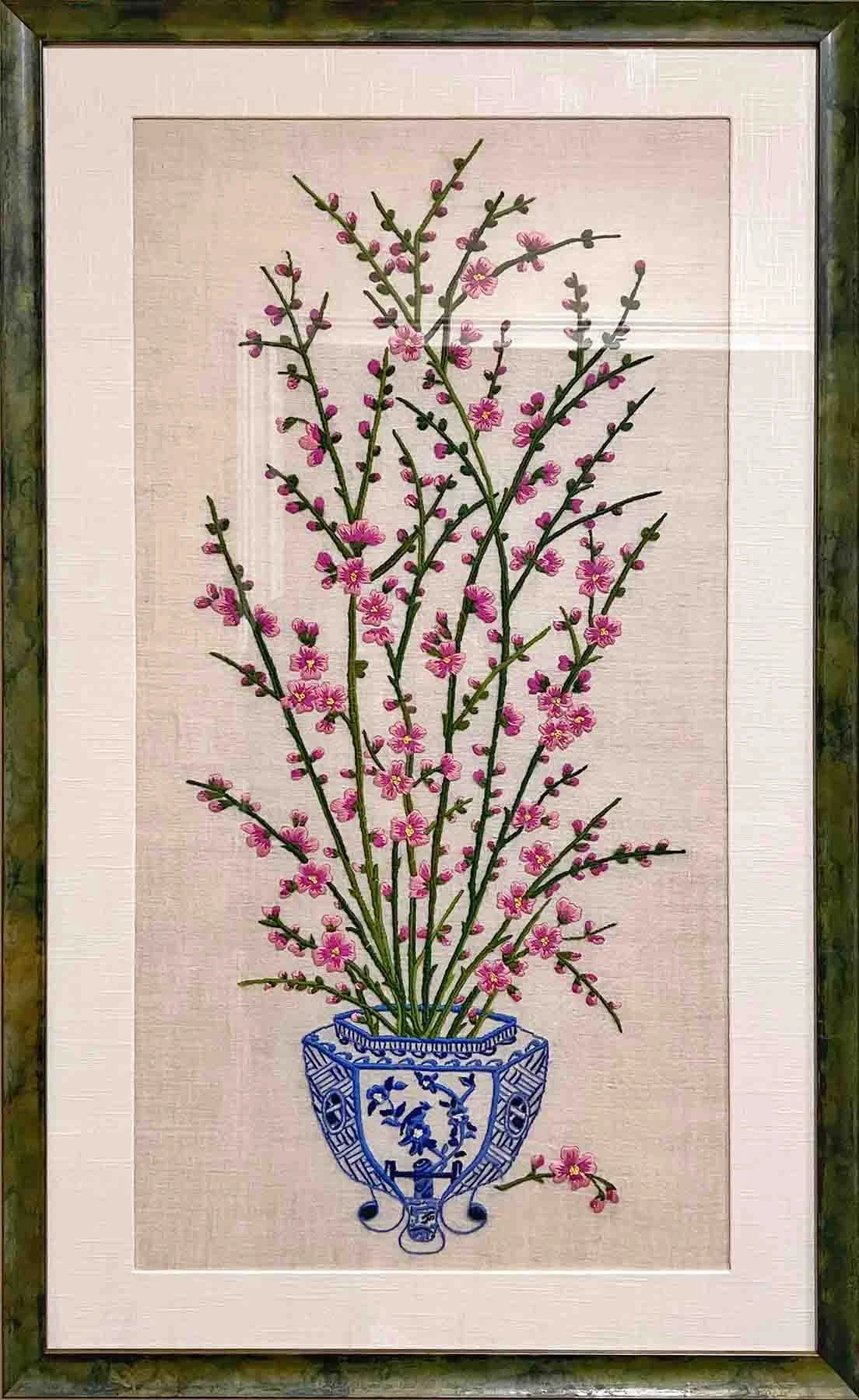
Embroidery framed with hand wrapped cotton matting and hand finished green patina over gold leaf — bespoke picture framing at Mangoe Arts & Framing, Nashville
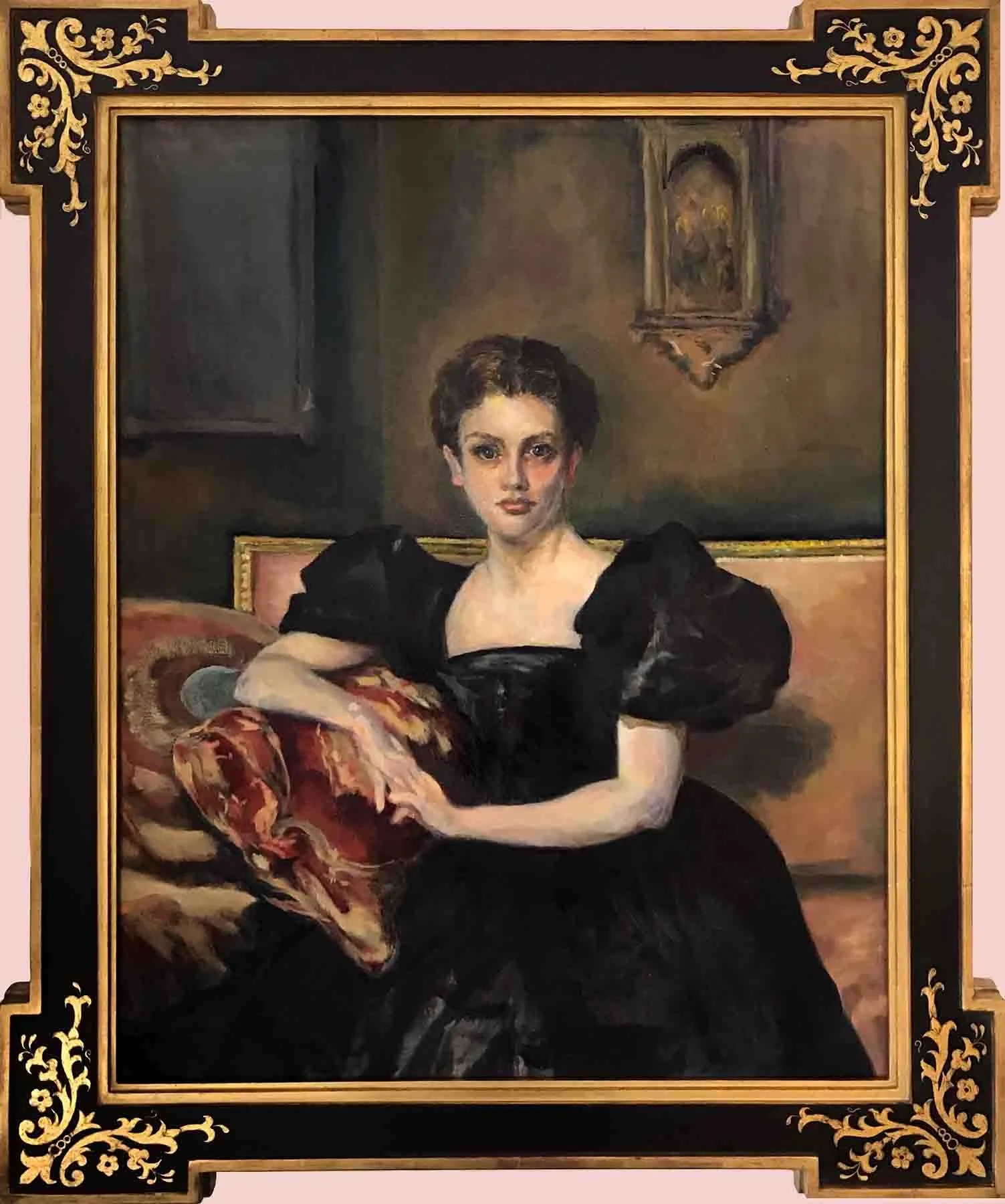
Replica John Singer Sargent painting in custom finished-corner key block frame with sgraffito over black on gold leaf — Mangoe Arts & Framing Nashville
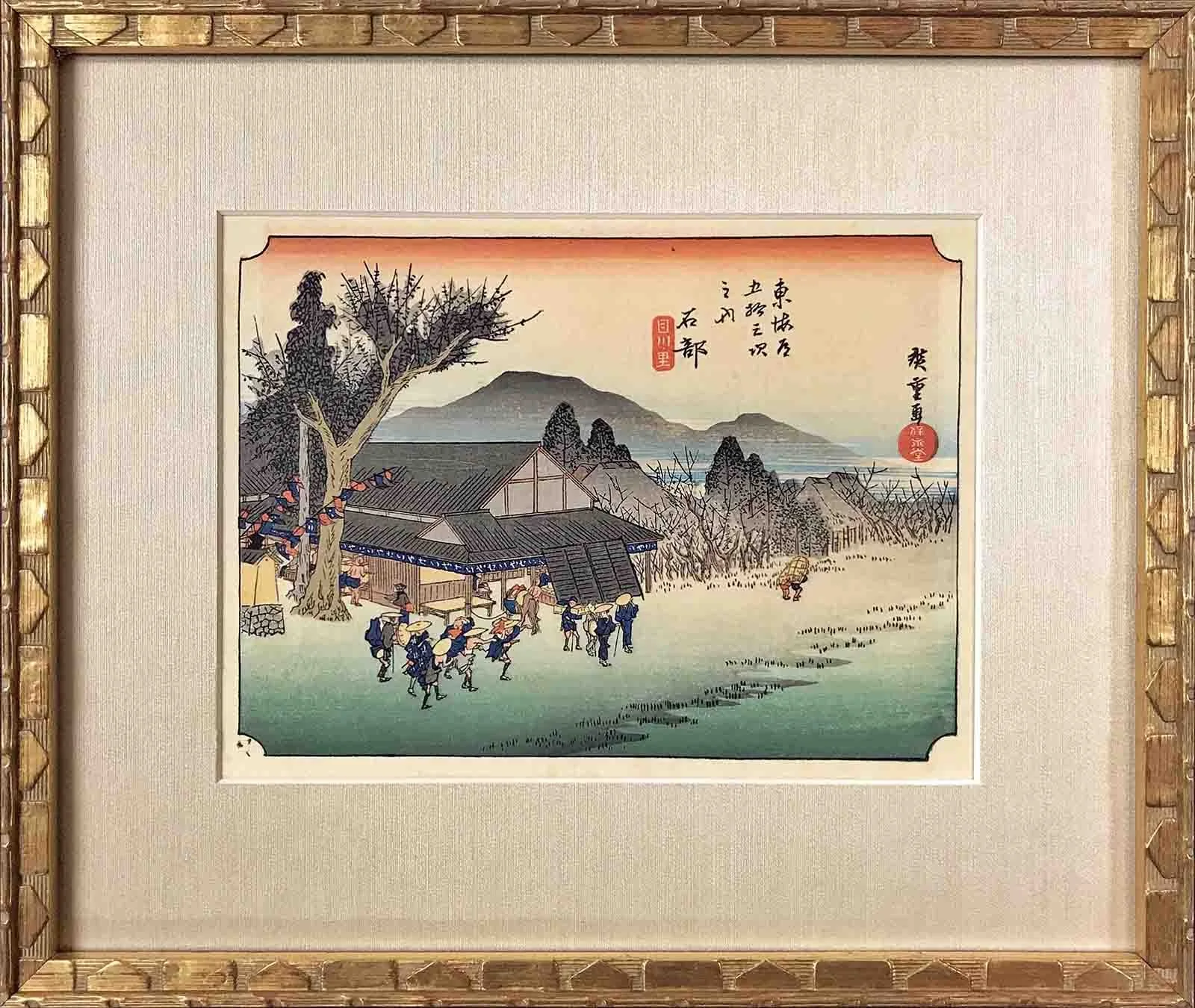
Woodblock print matted with delicate silk in hand finished gold leaf picture frame — Mangoe Arts & Framing, Nashville conservation framing
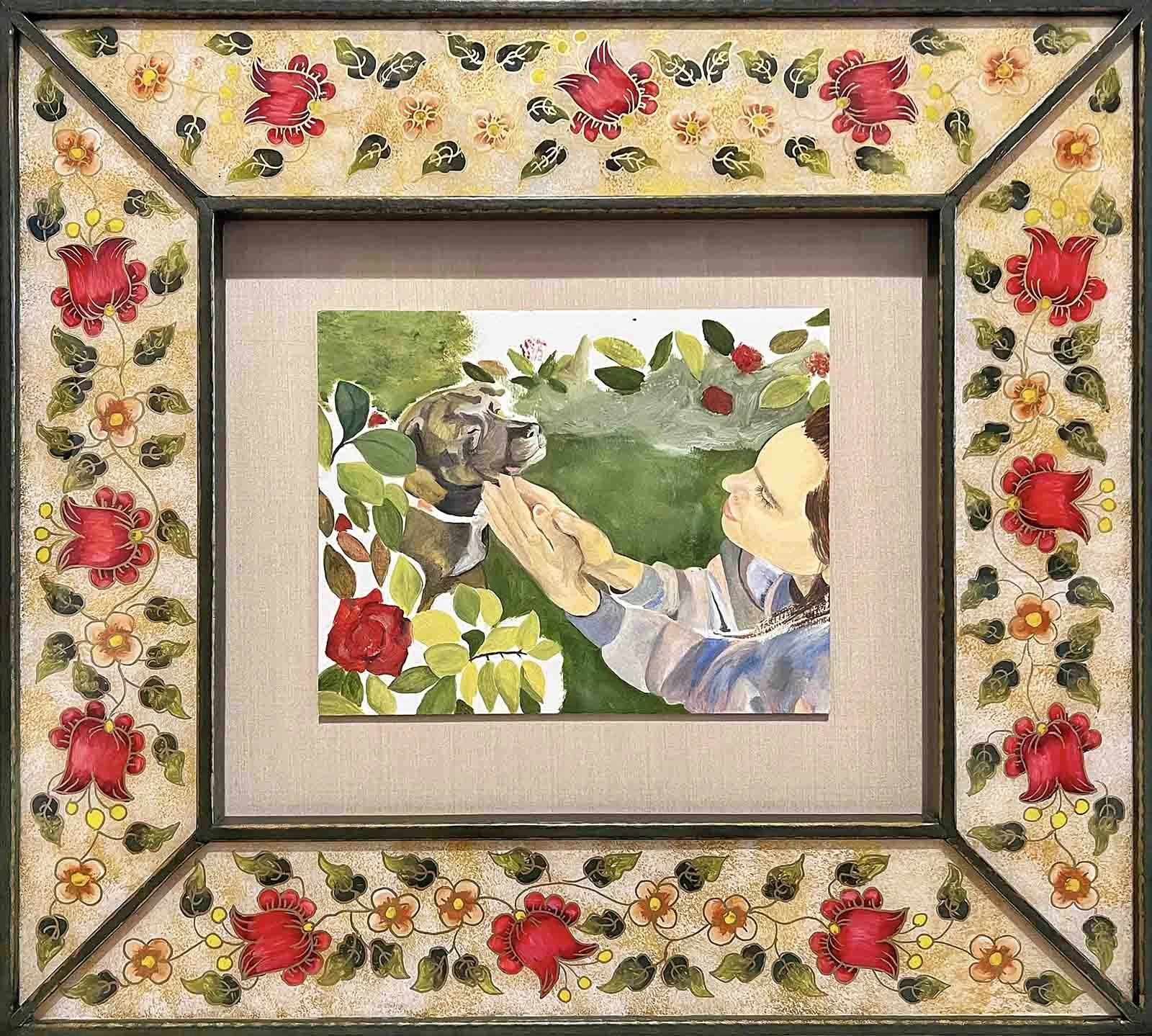
Original watercolor mounted on silk backing in custom hand painted floral picture frame bound in green leather — bespoke framing, Mangoe Arts Nashville
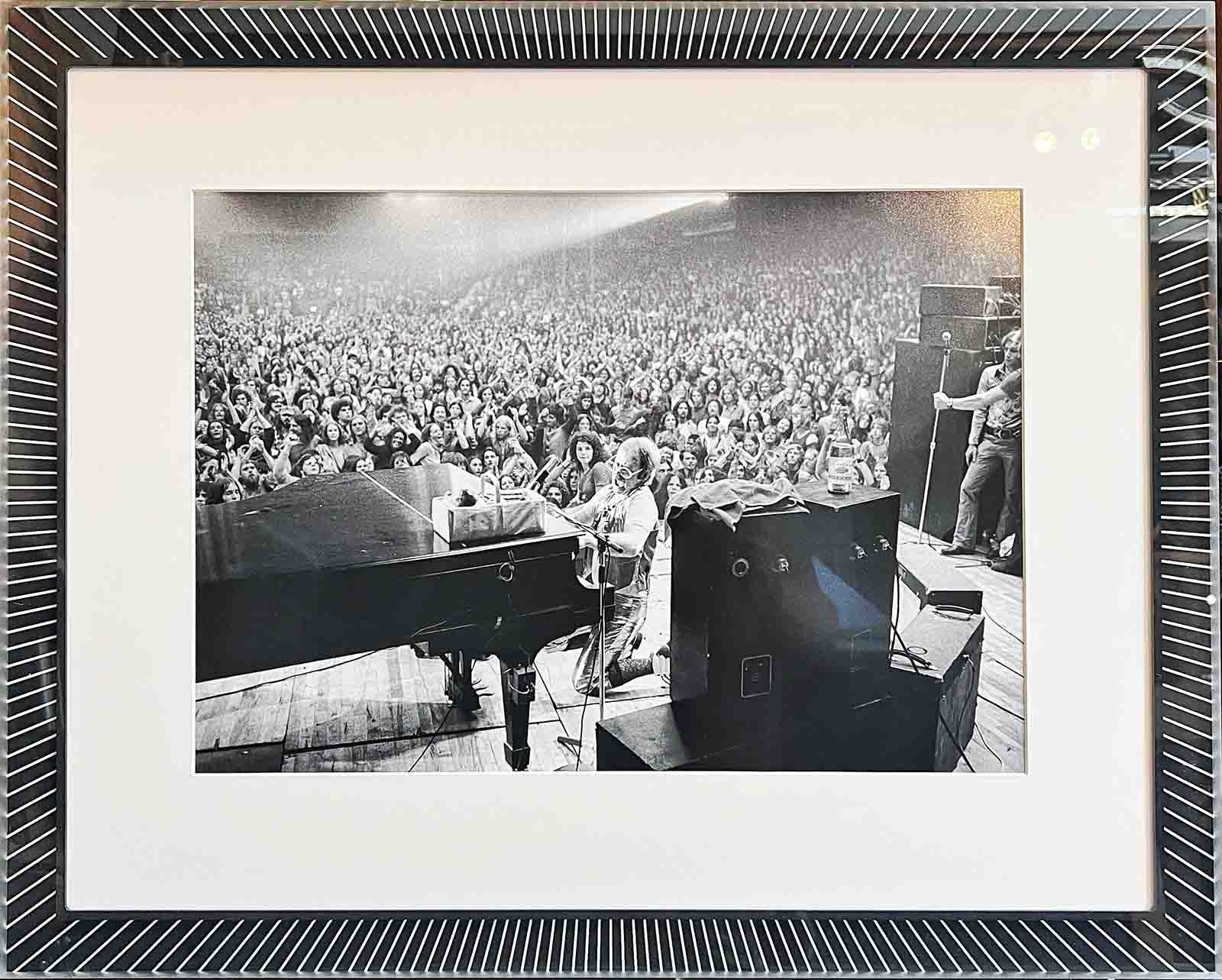
Elton John photograph mounted with cotton rag matting in custom monotone sun ray patterned acrylic picture frame — Mangoe Arts & Framing Nashville
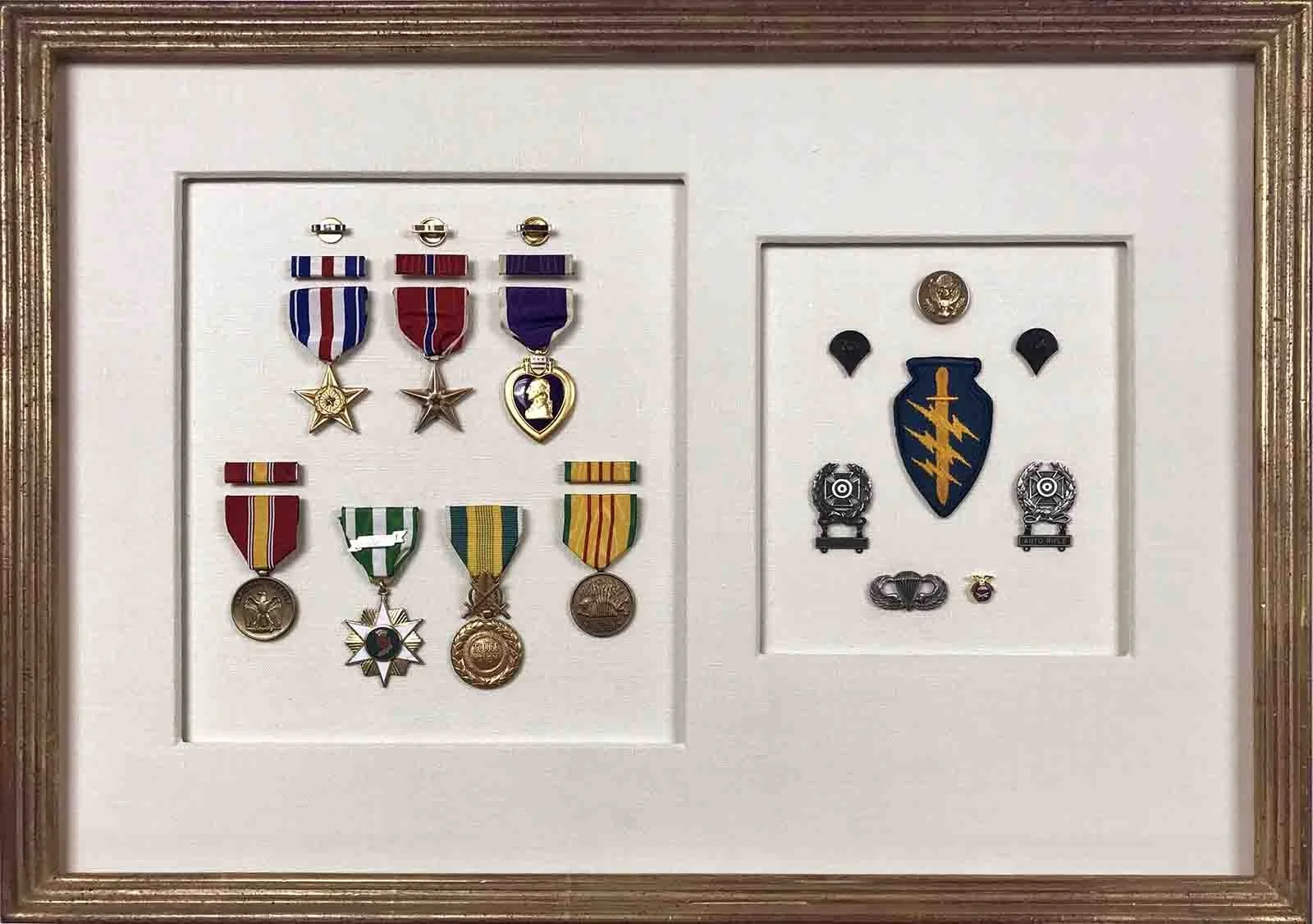
Military regalia shadowbox — floated on hand wrapped cotton matting in custom finished corner gold leaf frame, Mangoe Arts & Framing Nashville
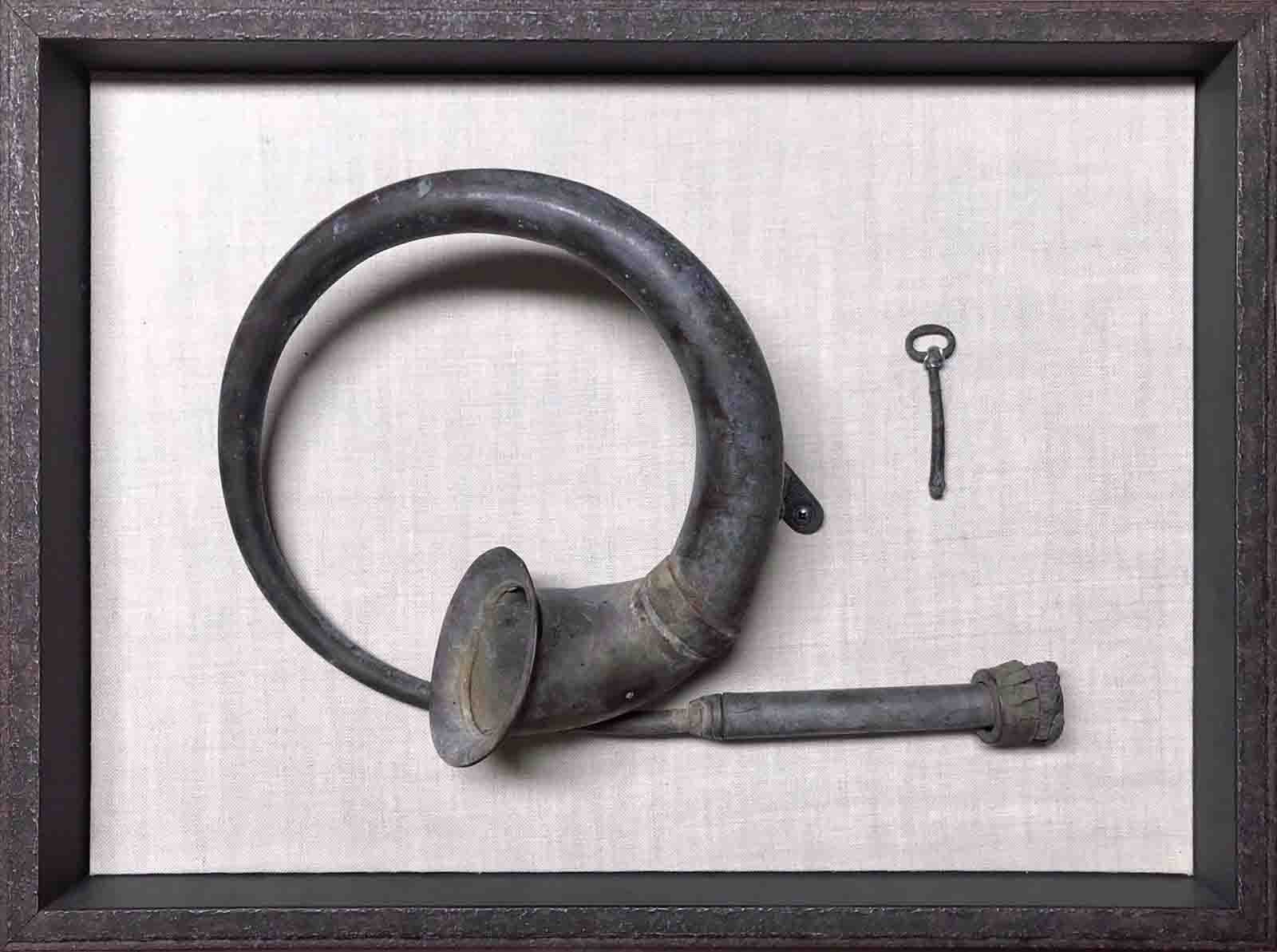
Antique horn mounted on hand wrapped linen backing in wrought iron float frame — custom shadowbox framing, Mangoe Arts & Framing Nashville
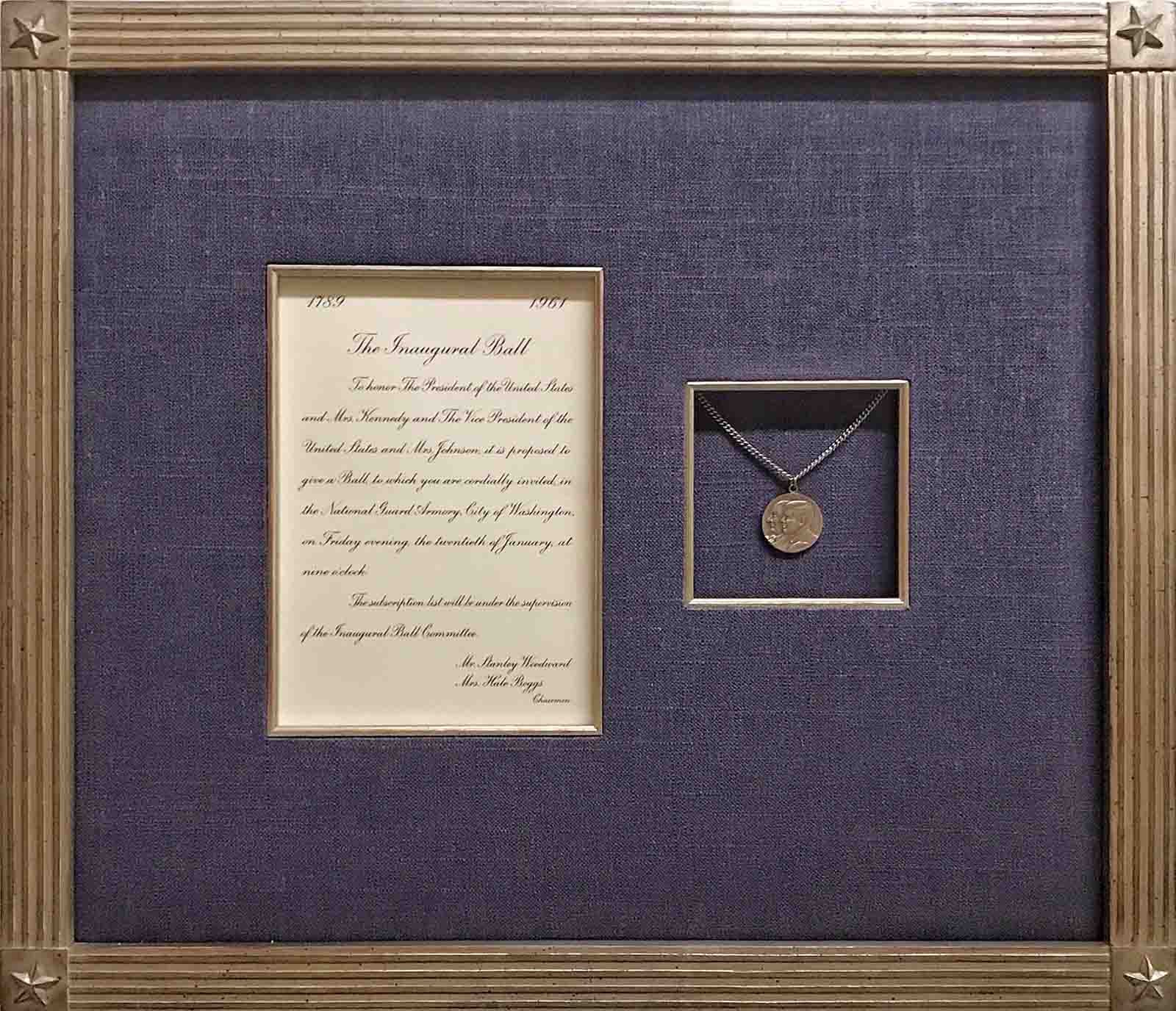
Kennedy inaugural ball invitation and medallion framed in blue linen with custom key block corner frame and fillet, white gold leaf over red clay bole — Mangoe Arts Nashville
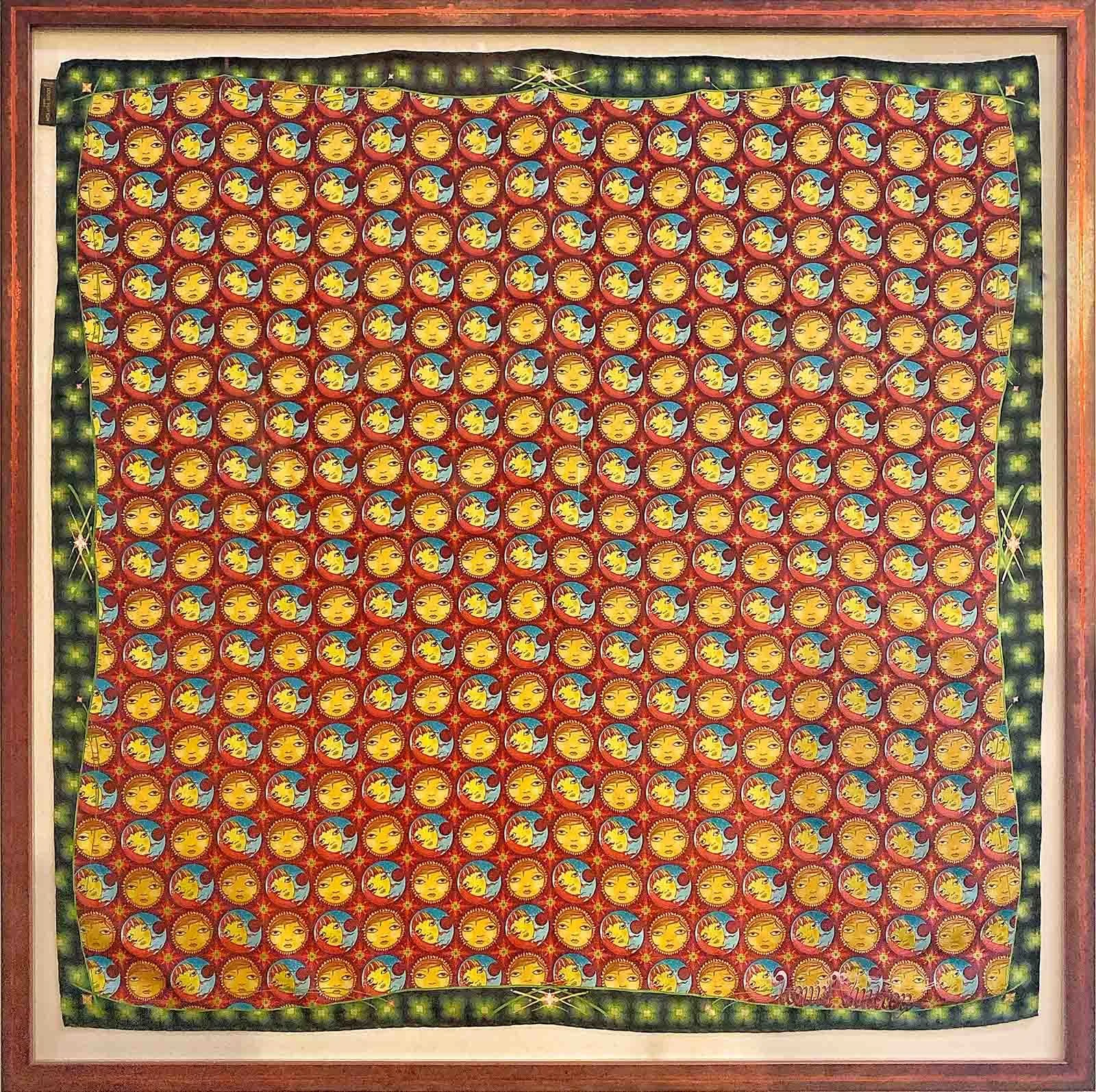
Silk scarf mounted on hand wrapped silk backing in hand finished red raku ceramic styled picture frame — bespoke framing, Mangoe Arts & Framing Nashville
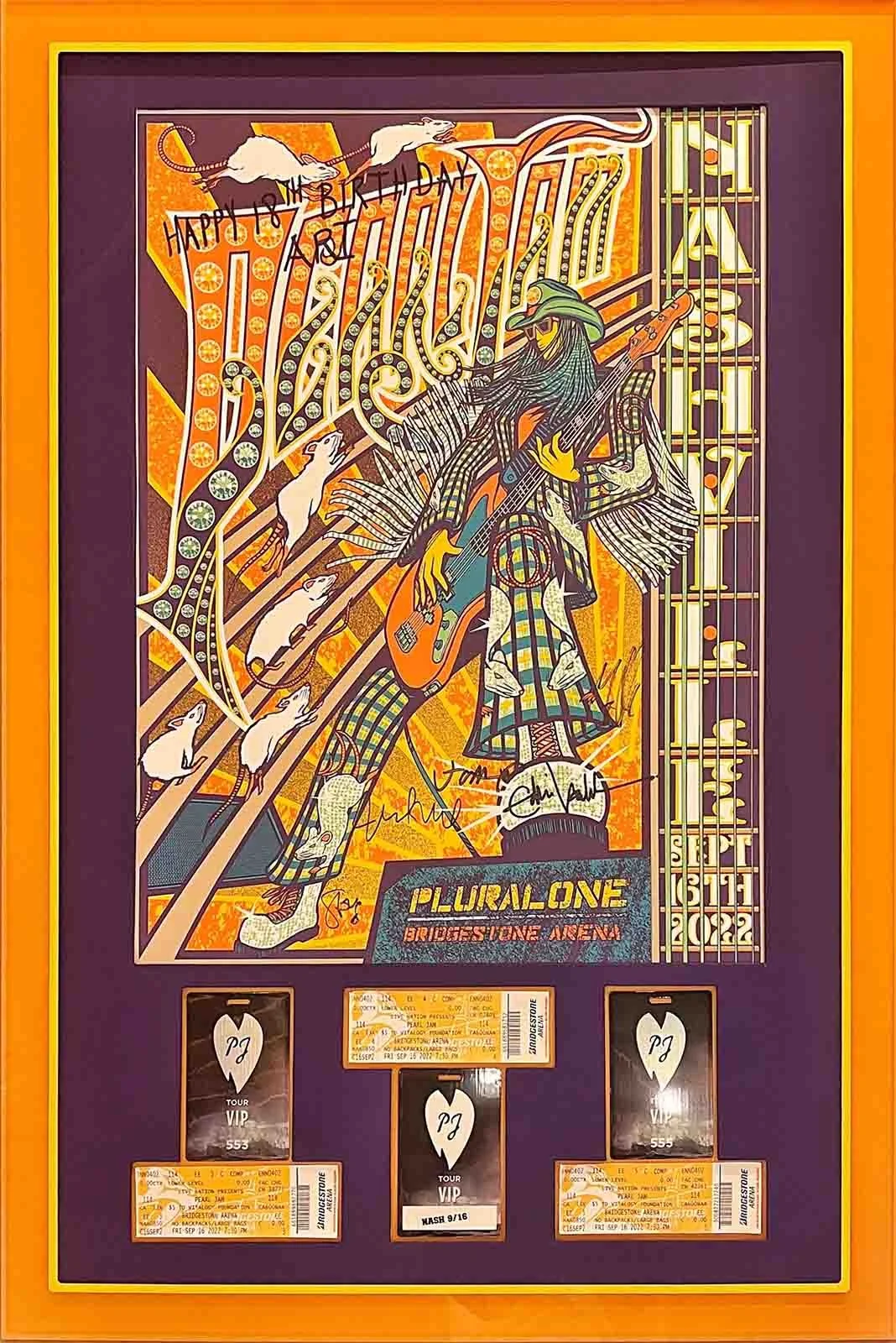
Pearl Jam concert poster and tickets in custom orange and yellow acrylic frame with hand wrapped orange and purple fabric matting — Mangoe Arts & Framing Nashville
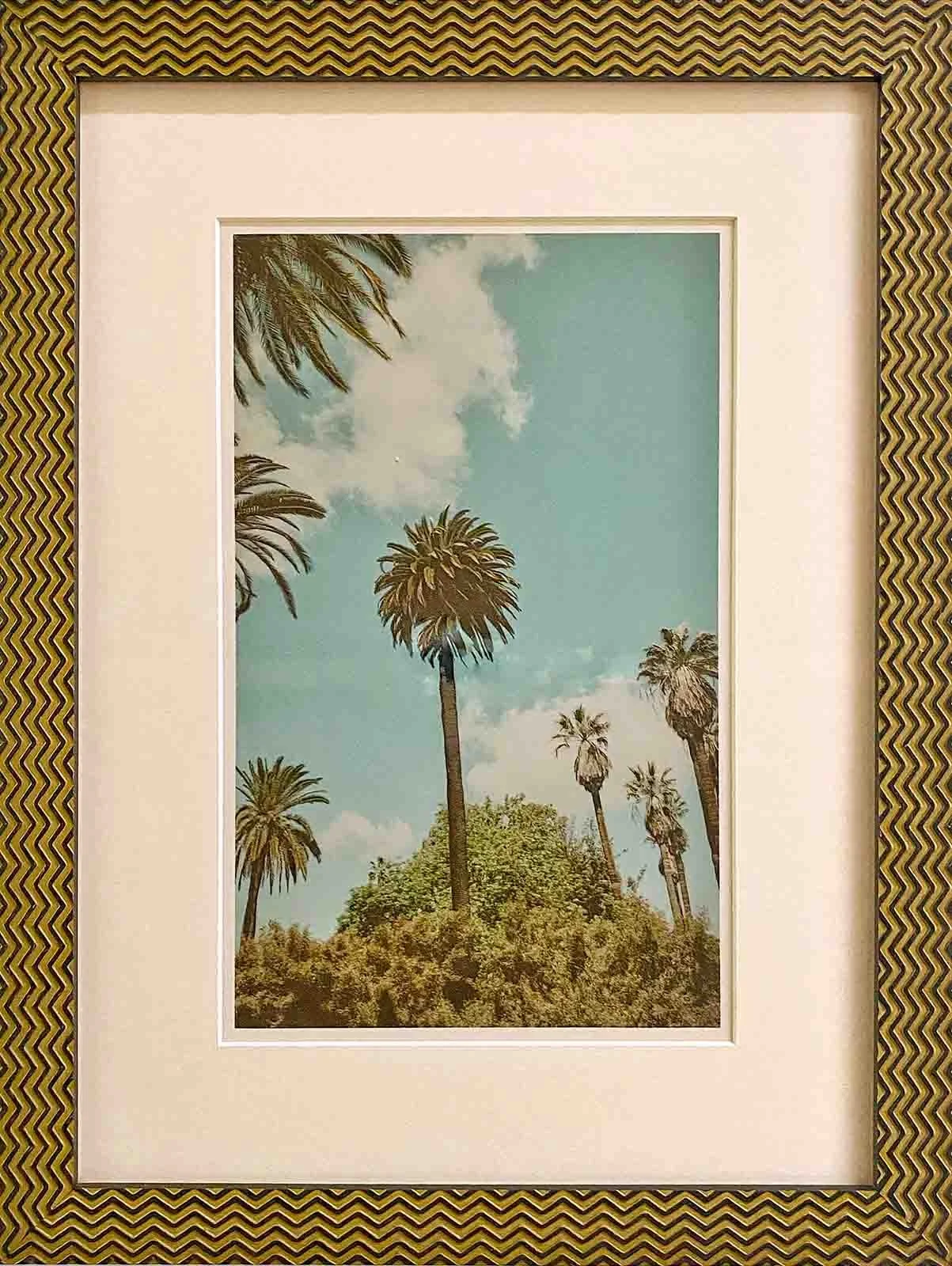
Photograph mounted with cotton rag matting in hand finished zig-zag patterned picture frame — custom conservation framing, Mangoe Arts Nashville
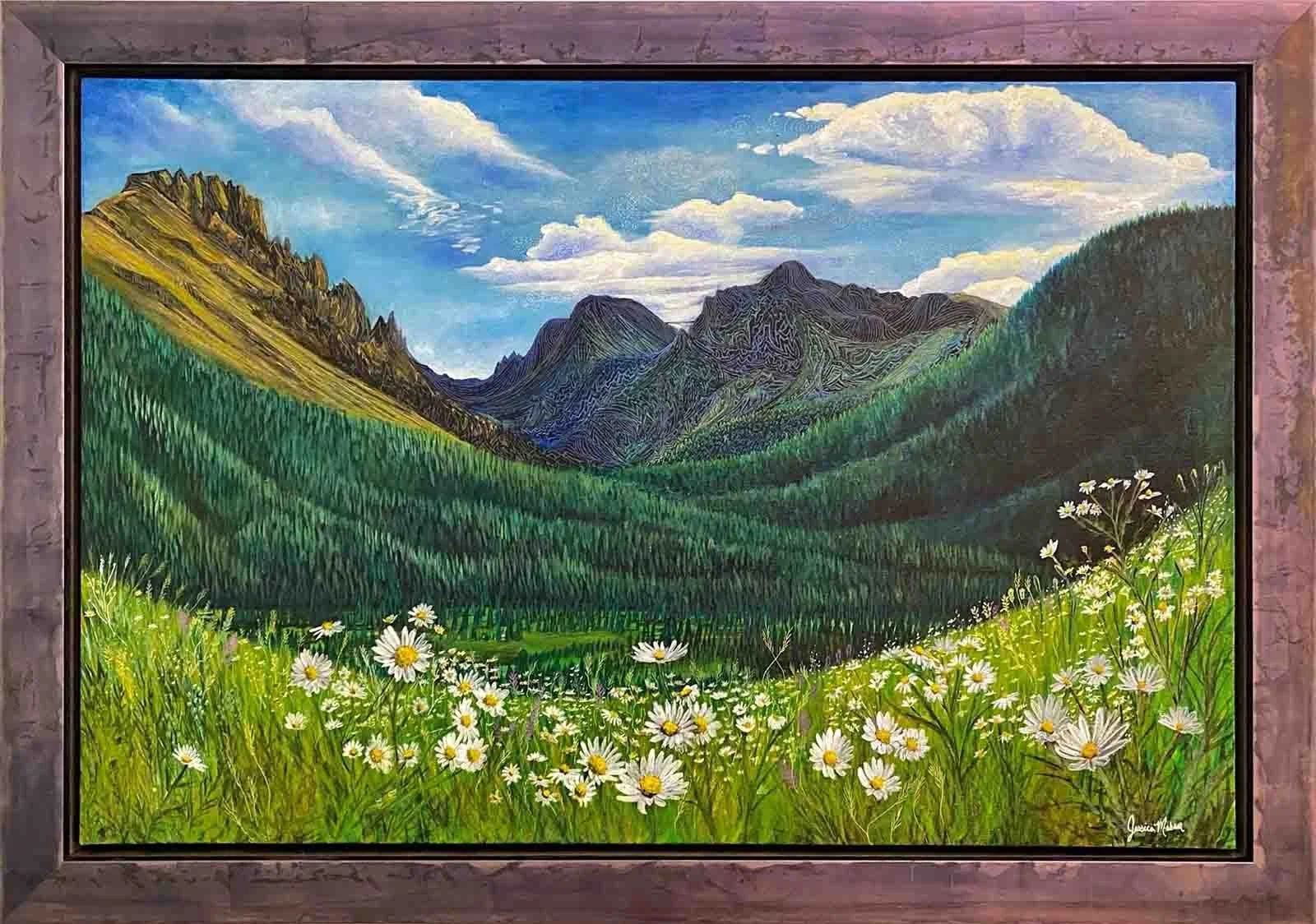
Oil painting in custom stacked float frame with hand finished purple raku ceramic styled exterior — bespoke picture framing, Mangoe Arts & Framing Nashville
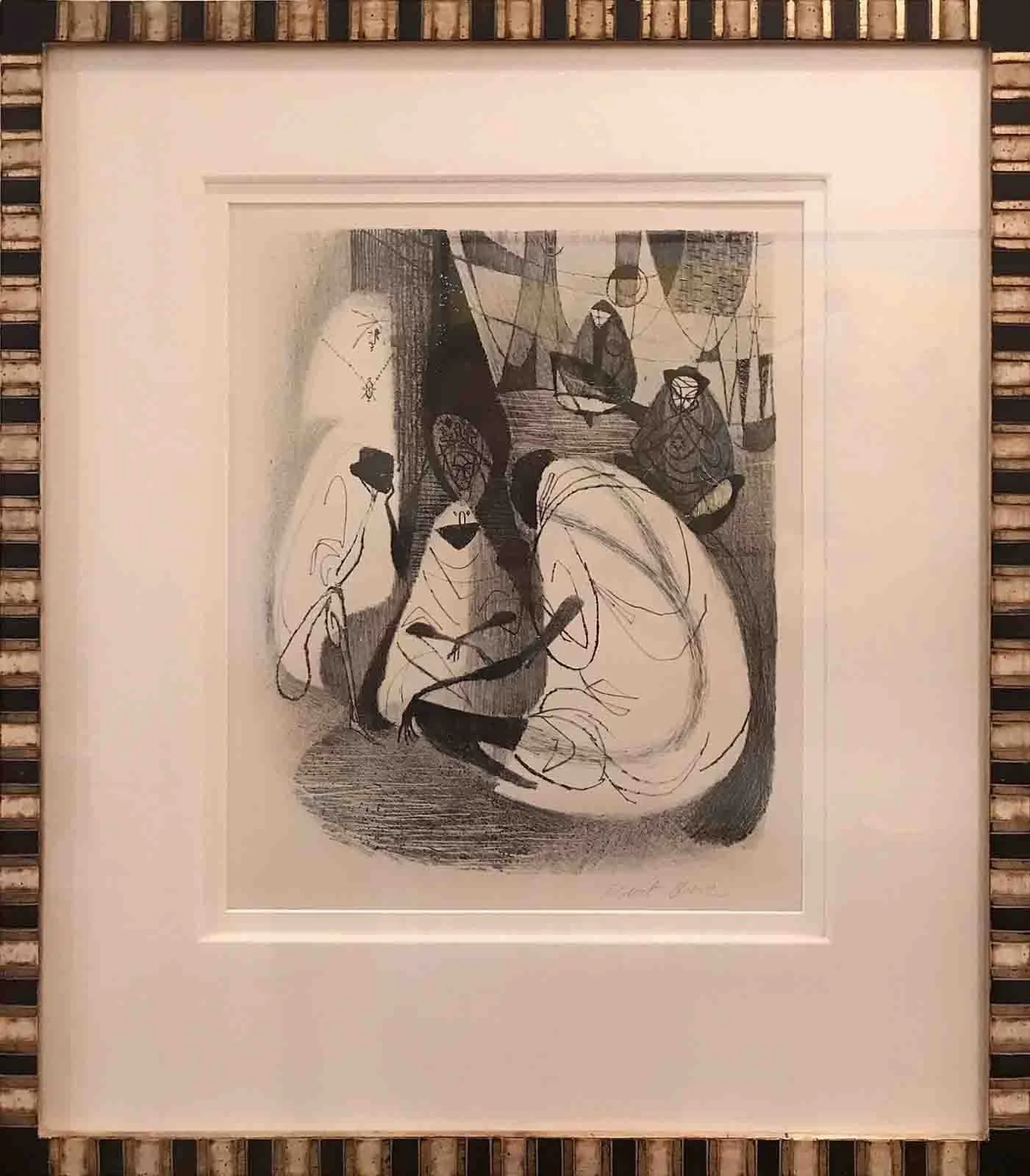
Print mounted with double cotton rag and hand wrapped fabric matting in hand carved finished corner frame with hand painted monotone pattern over gold leaf — Mangoe Arts Nashville
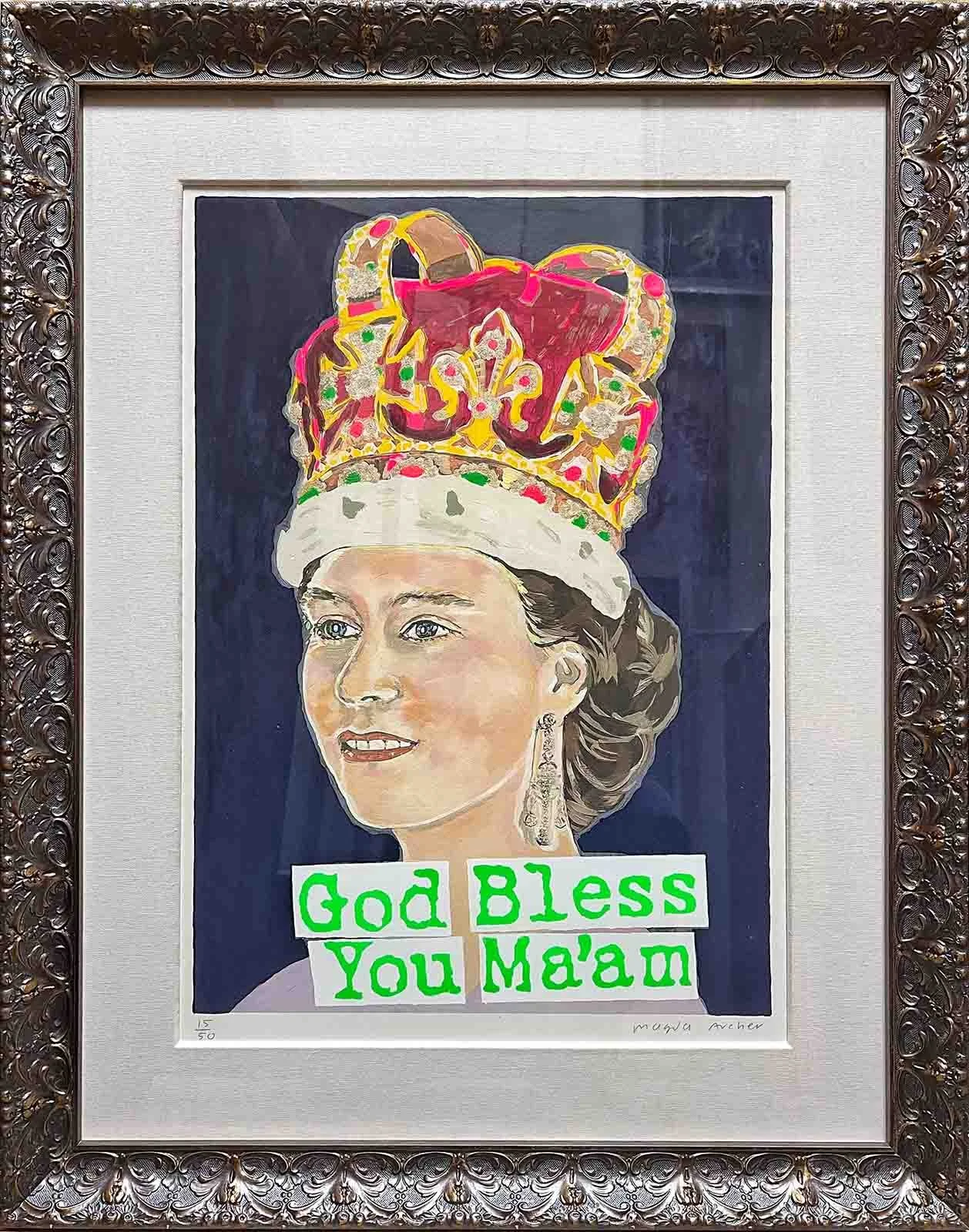
Print mounted with hand wrapped silk matting in hand finished gold leaf picture frame with purple wash — conservation framing, Mangoe Arts & Framing Nashville
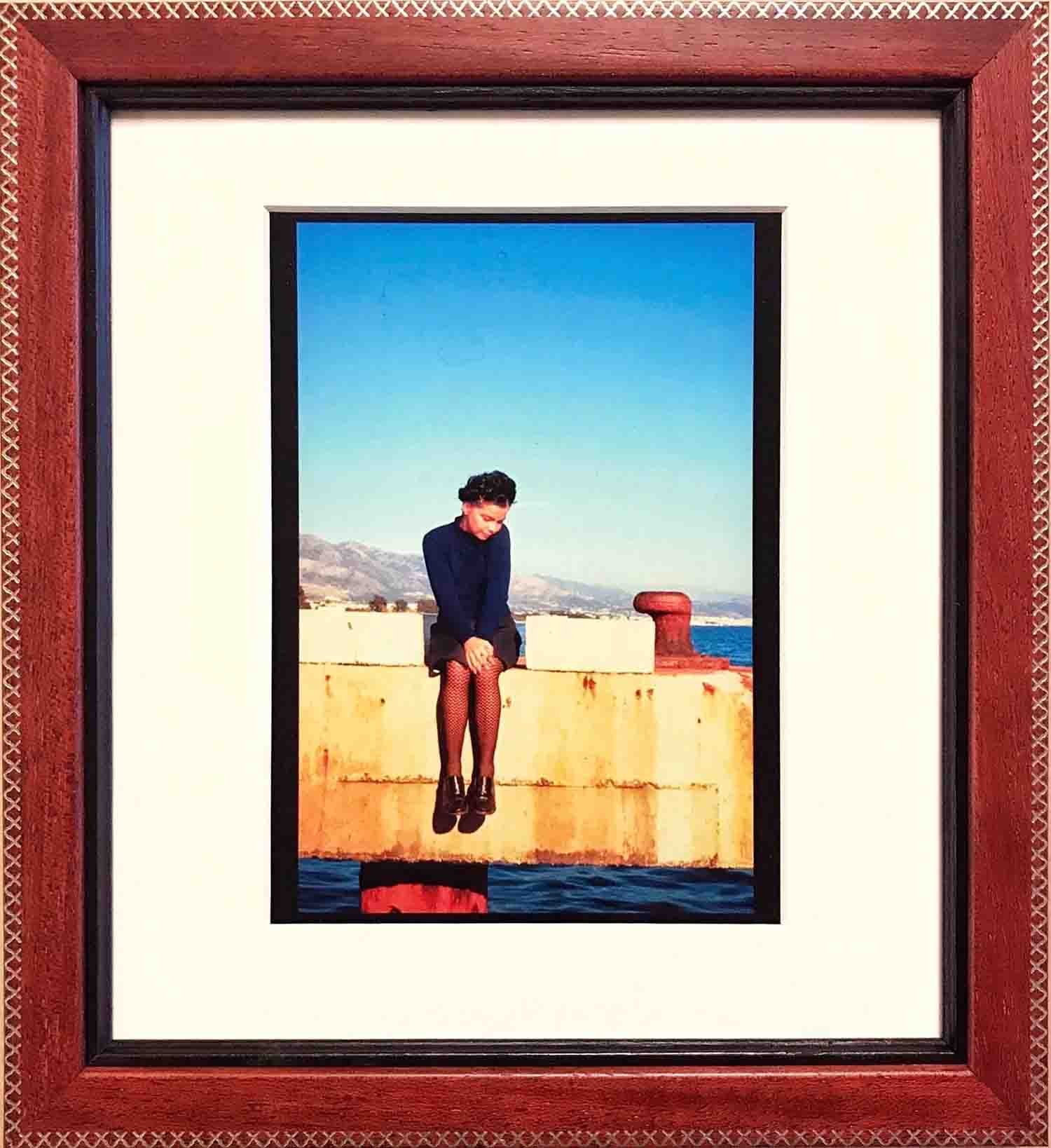
Photograph in hand finished red picture frame with cross stitch embellishments and black lacquered fillet — bespoke custom framing, Mangoe Arts Nashville
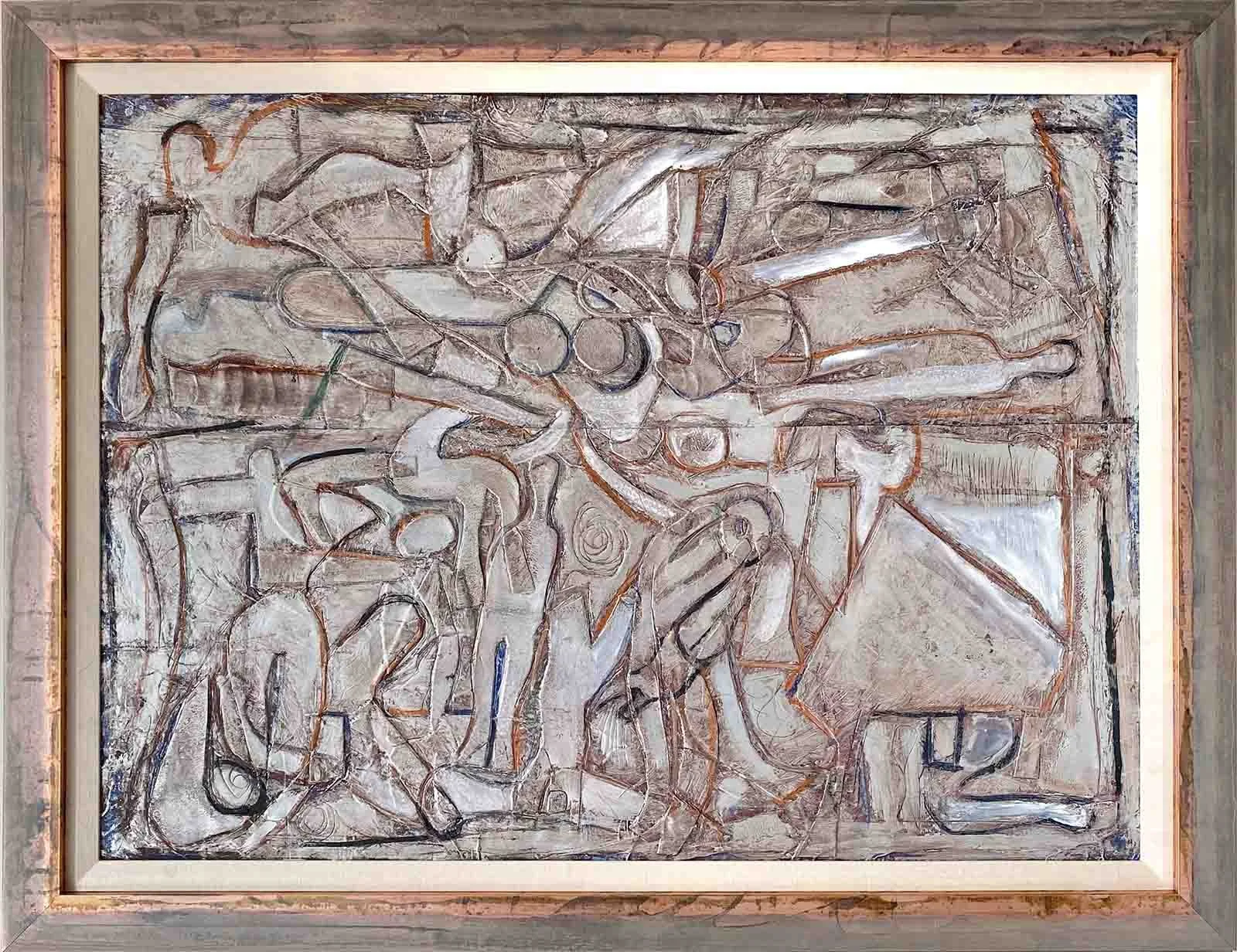
Art on metal with copper tones, hand wrapped cotton liner in copper metallic raku ceramic styled picture frame — Mangoe Arts & Framing Nashville
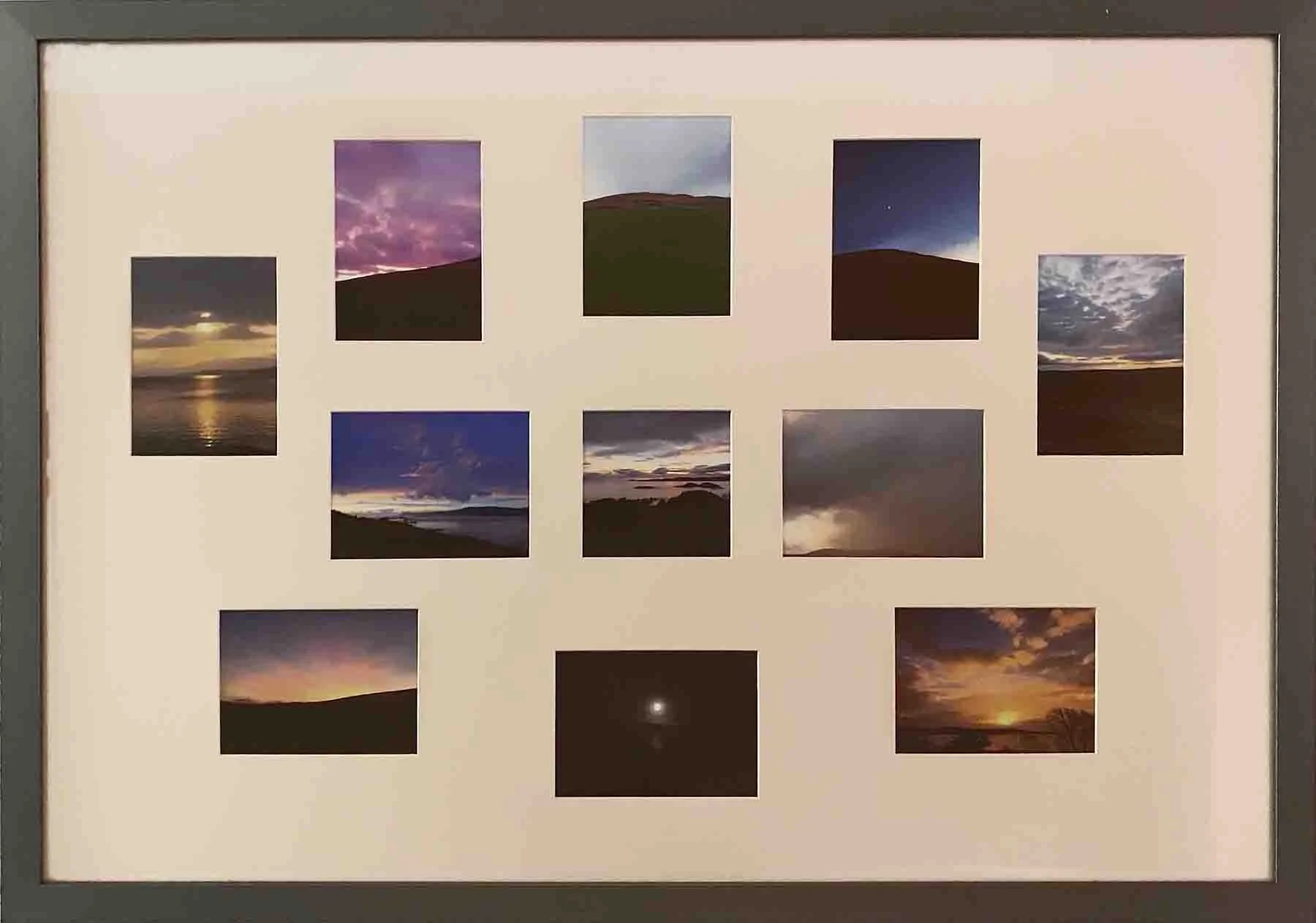
Photograph collection in symmetrical hand cut multi-windowed cotton rag mat with gallery frame — custom picture framing, Mangoe Arts & Framing Nashville
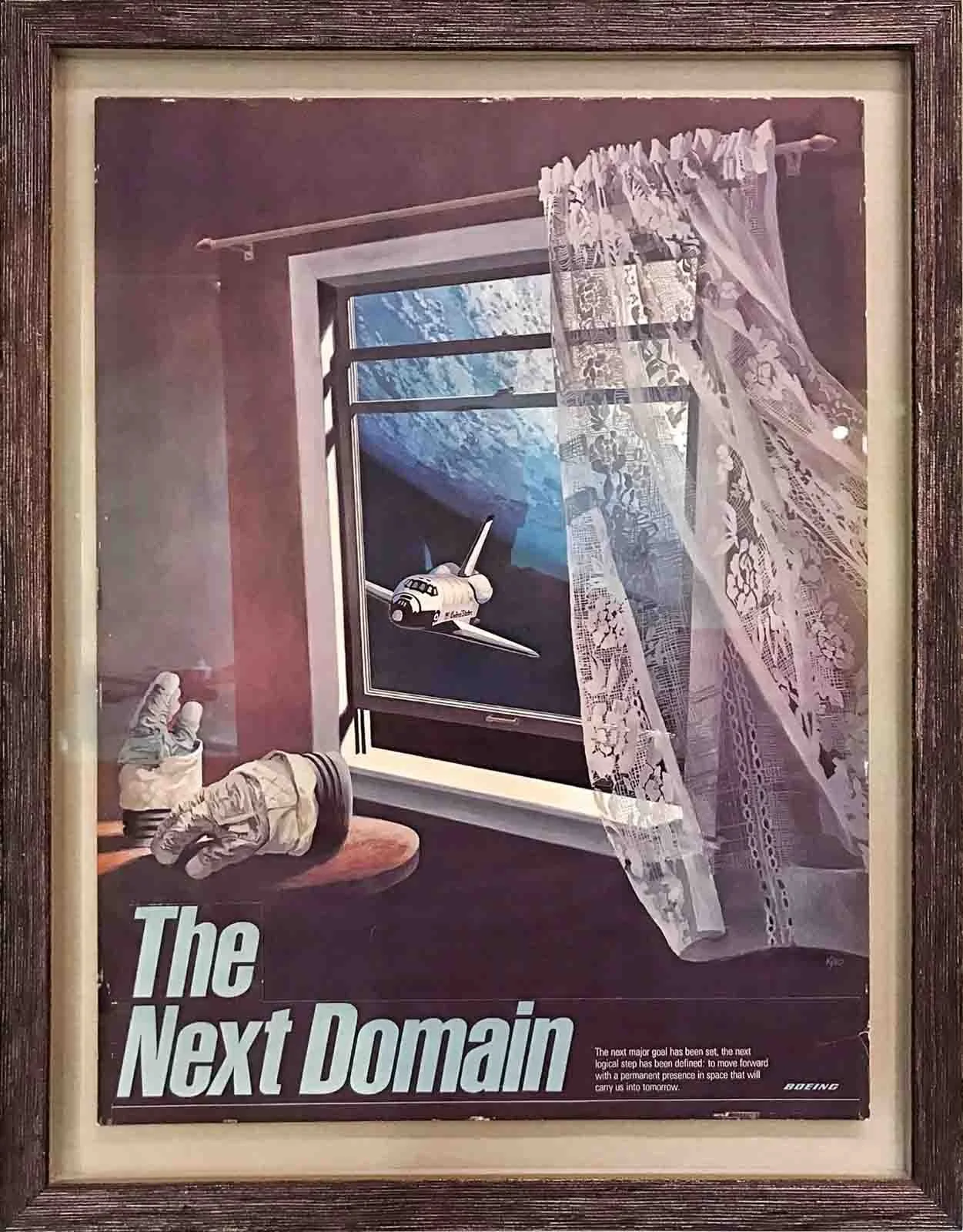
Vintage NASA poster floated on grey silk in hand finished purple patina frame over silver leaf — bespoke picture framing, Mangoe Arts & Framing Nashville
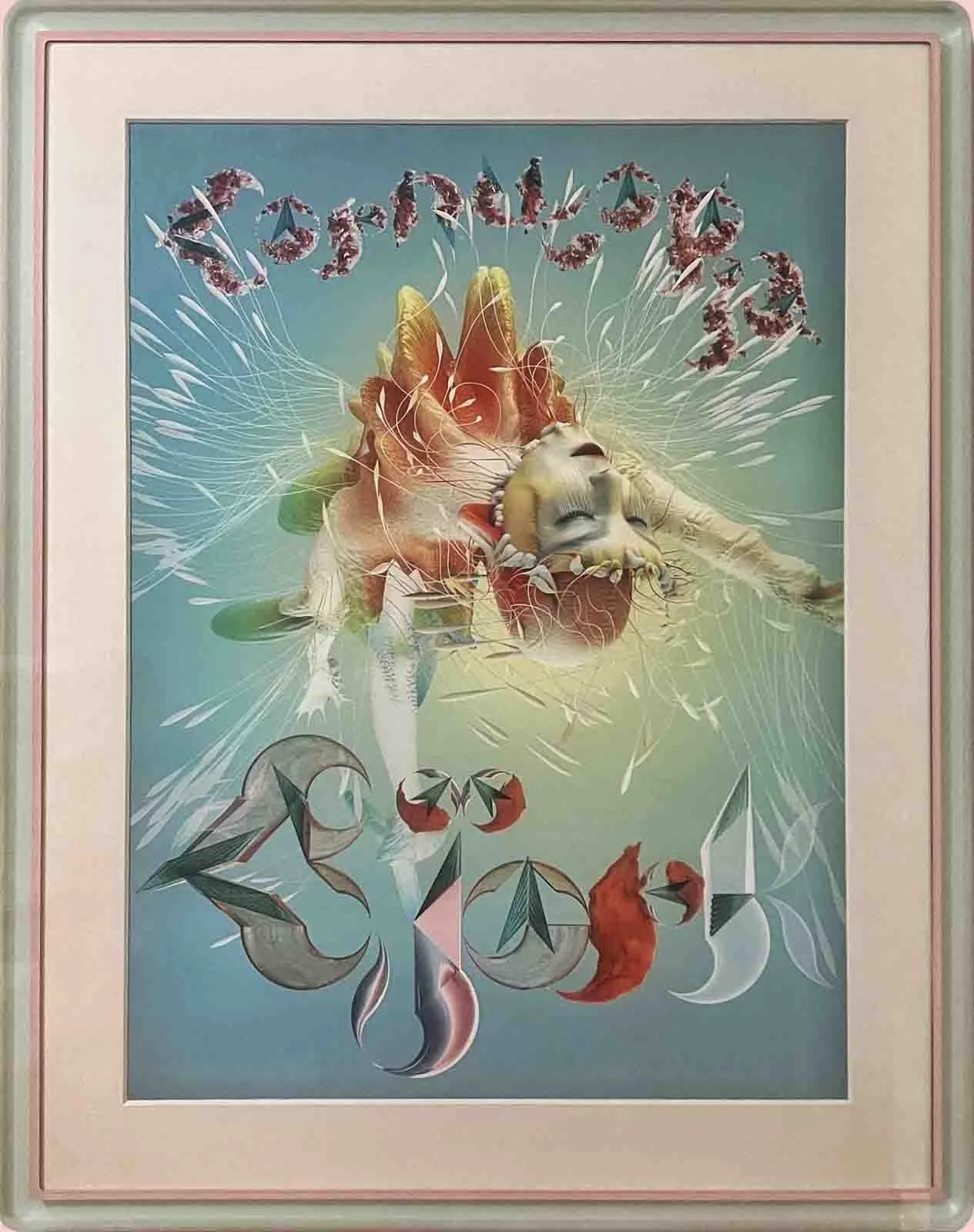
Bjork concert poster matted with hand wrapped silk in two tone blue and pink acrylic picture frame — custom framing, Mangoe Arts & Framing Nashville
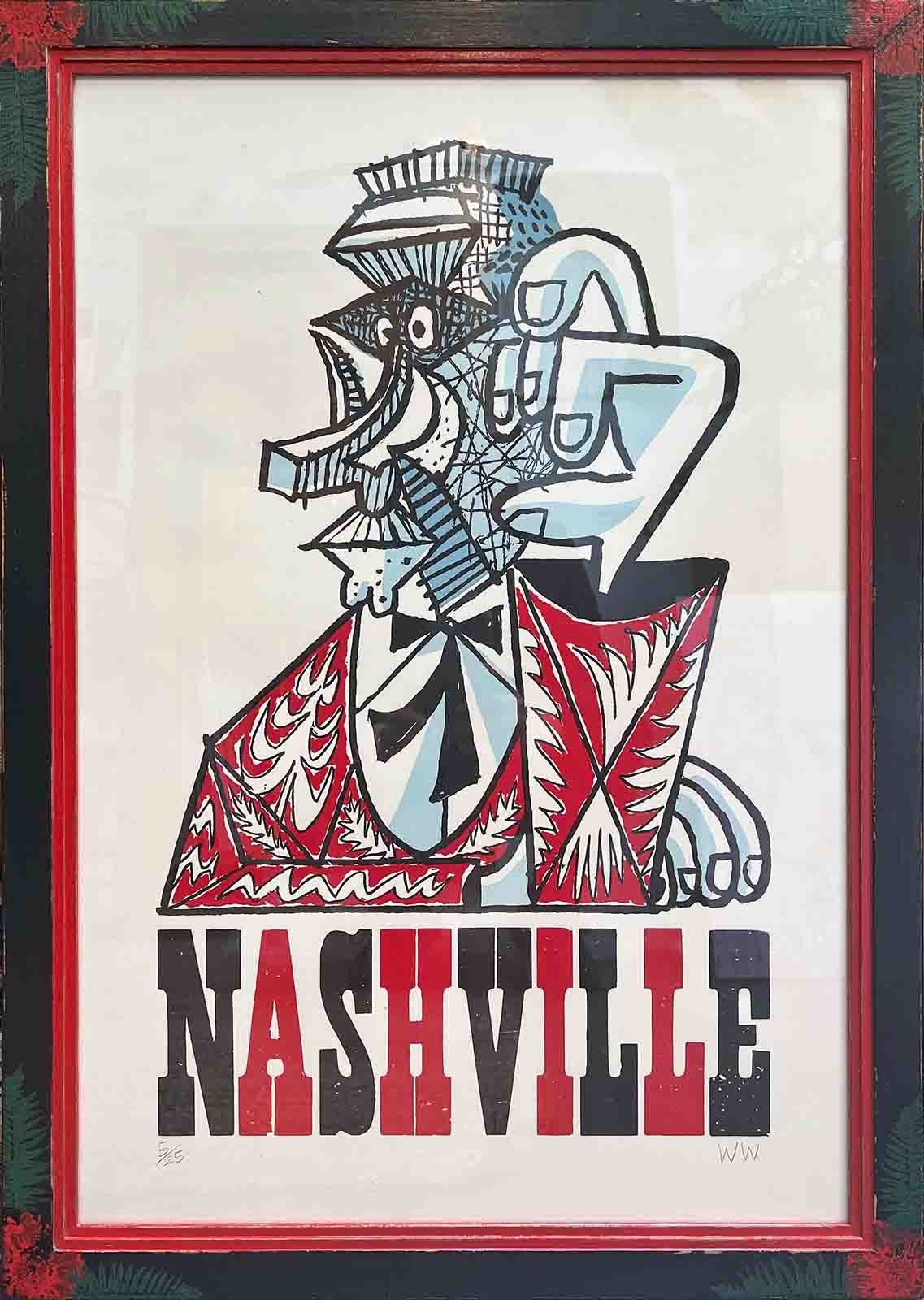
Nashville poster in custom picture frame with hand painted floral embellishments — bespoke framing by Mangoe Arts & Framing, Nashville
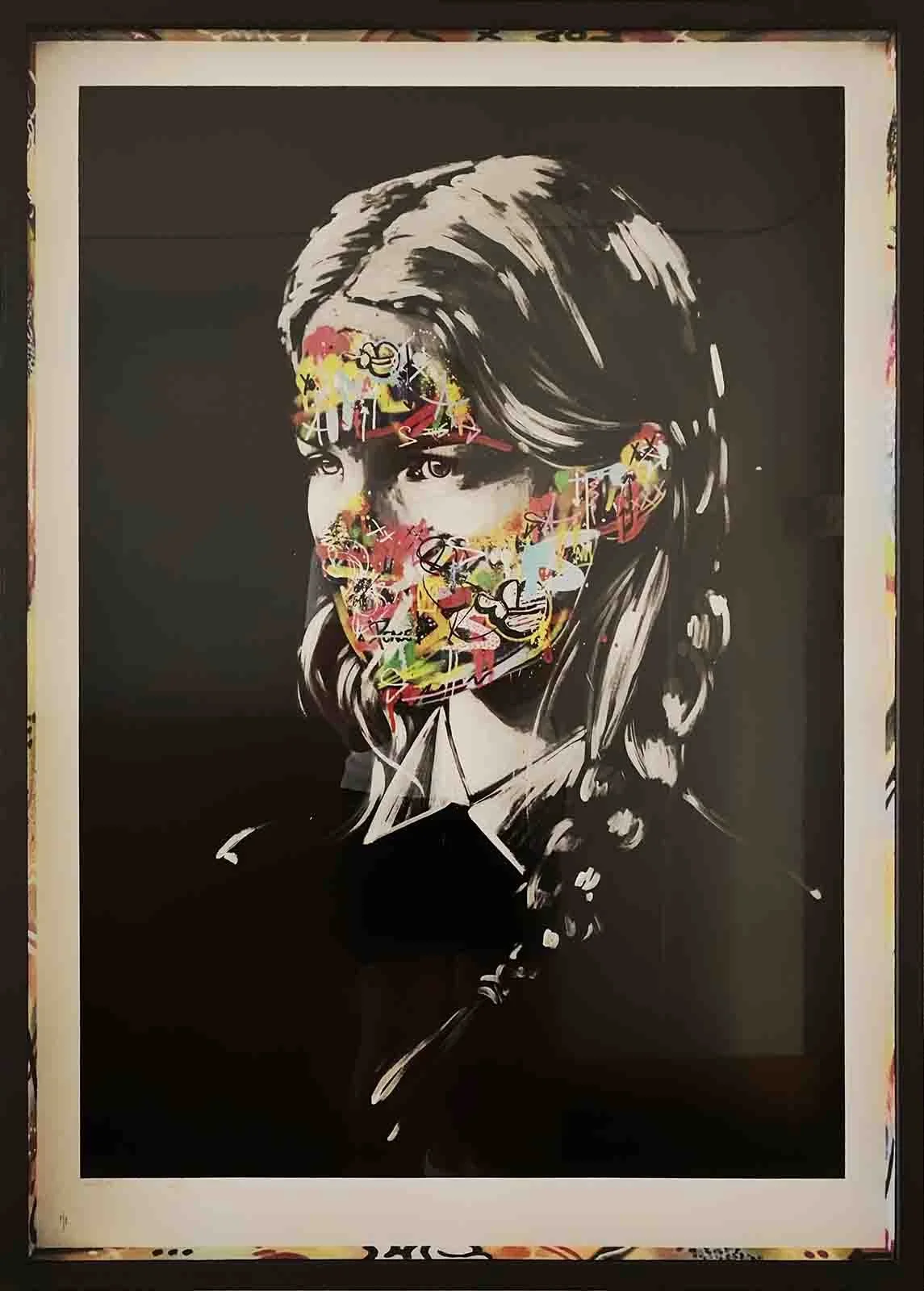
Street art portrait in simple black gallery frame with custom painted spacers matching graffiti styling — Mangoe Arts & Framing Nashville